Intro
/ 01 — 2022
Performance, installation & photography
Topographies of Violence
Performance · installation · photography
A cartography etched by the repetition of structural violence — where BDSM operates as a symbolic machine and the body becomes a sensitive map of a fractured world.
© 2022
Statement
We inhabit a cartography etched by the repetition of structural violence, violence that shapes flesh, subjectivity, and geography. The queer and dissident body, racialized, deviated, pathologized, becomes a palimpsest where power inscribes its norms and, simultaneously, where insurgencies are rewritten.
A stage where the protocols of pain and the noise of oppression are aestheticized as denunciation and political gesture. Within this terrain of collapse, BDSM operates as a symbolic machine: a performative language, a dramatization of consent and power, capable of distorting the lines between domination and desire, violence and care, system and failure.
By engaging BDSM as a critical aesthetic, this project seeks to map the topographies of violence, where the body is marked, exposed, displaced, but also where it resists, reacts, and rebuilds itself. The restraints become diagrams of biopolitical control, yet also choreographies of possible freedom. Consensual pain stands in contrast to imposed pain.
This is an expanded reflection on mechanisms of normalization, surveillance, and exclusion imposed upon nonconforming bodies, and how those bodies, when turned into art, language, ritual, and fiction, sabotage the very systems that seek to discipline them.
01
Sinto Muito
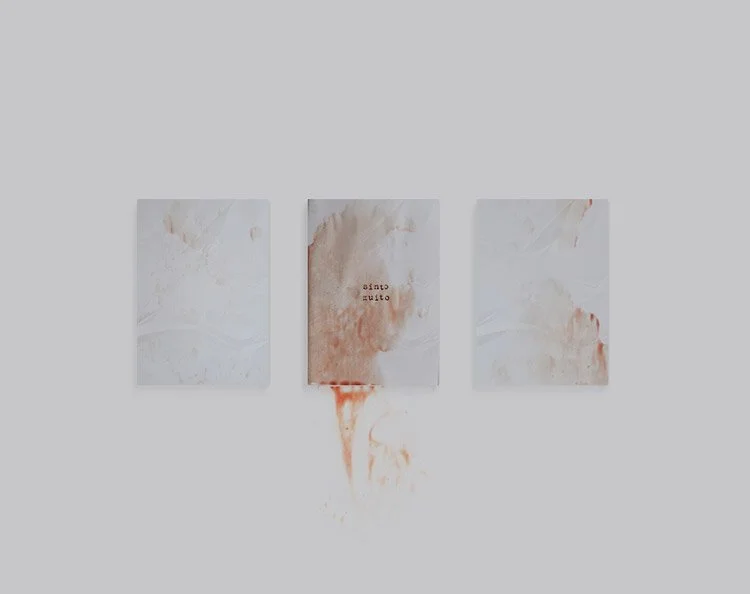

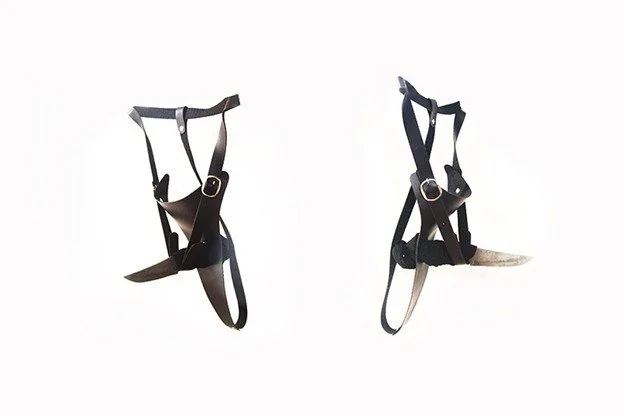
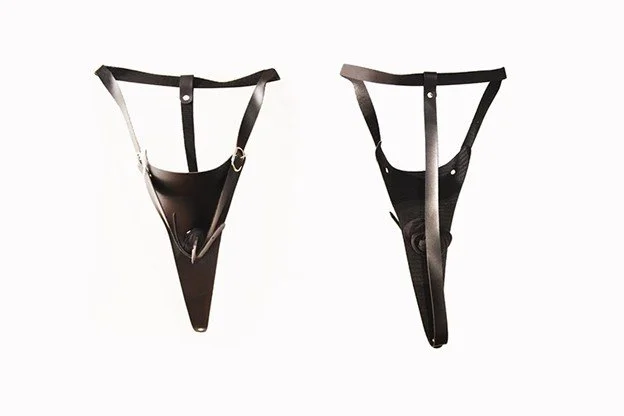
02
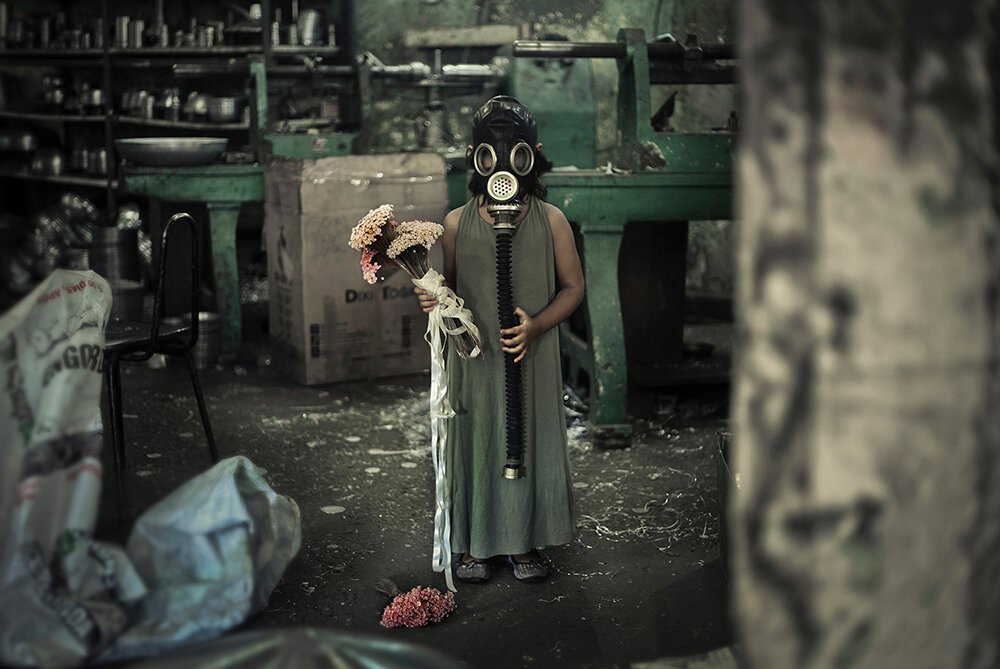
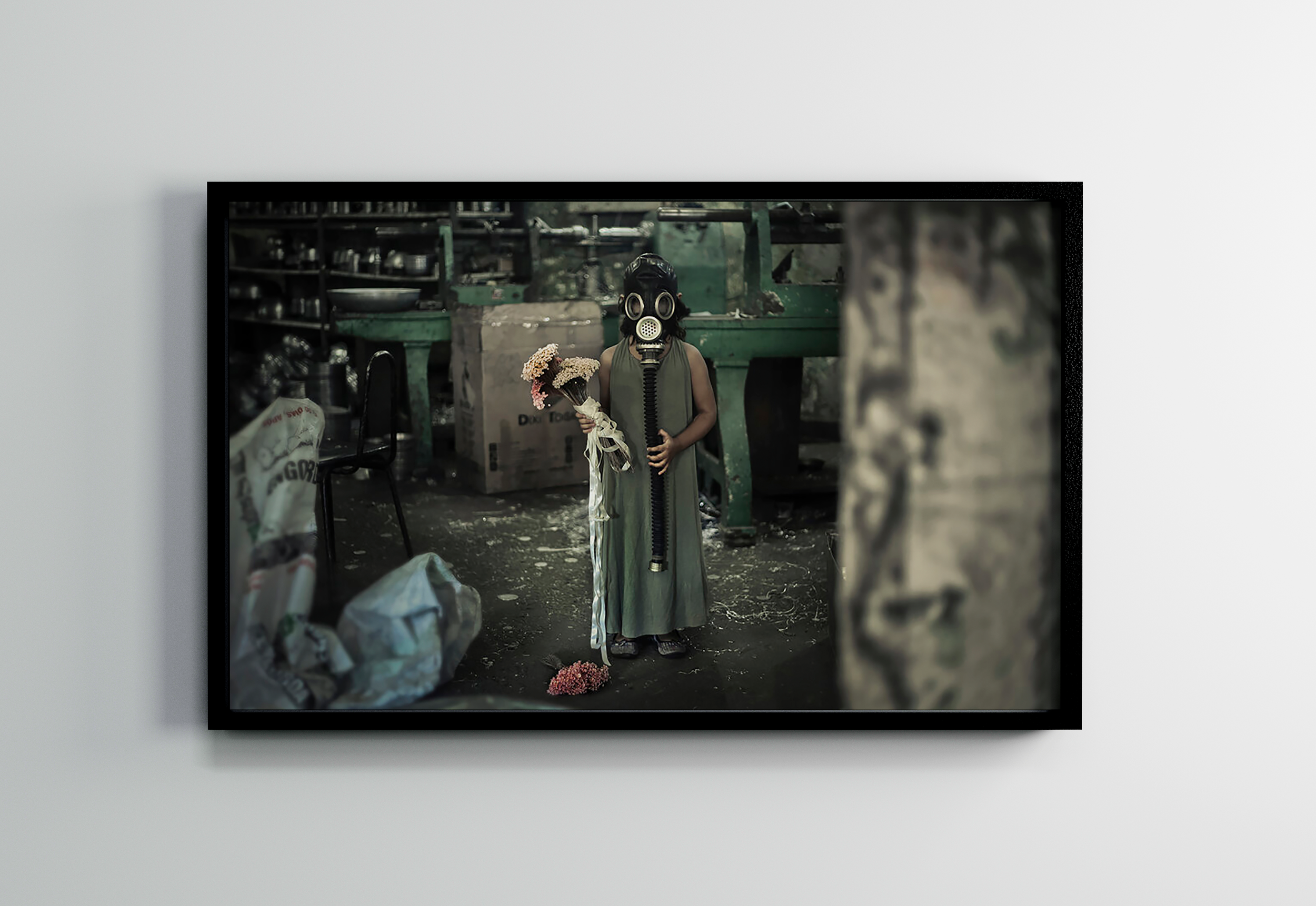
Girl with the Gas Mask
When I was around five years old, I began to have recurring visions of a family wearing gas masks. This image would appear specifically whenever I looked toward my family's house down the hallway. The vision of the gas mask family always seemed to coincide with moments when bad things were happening in my life.
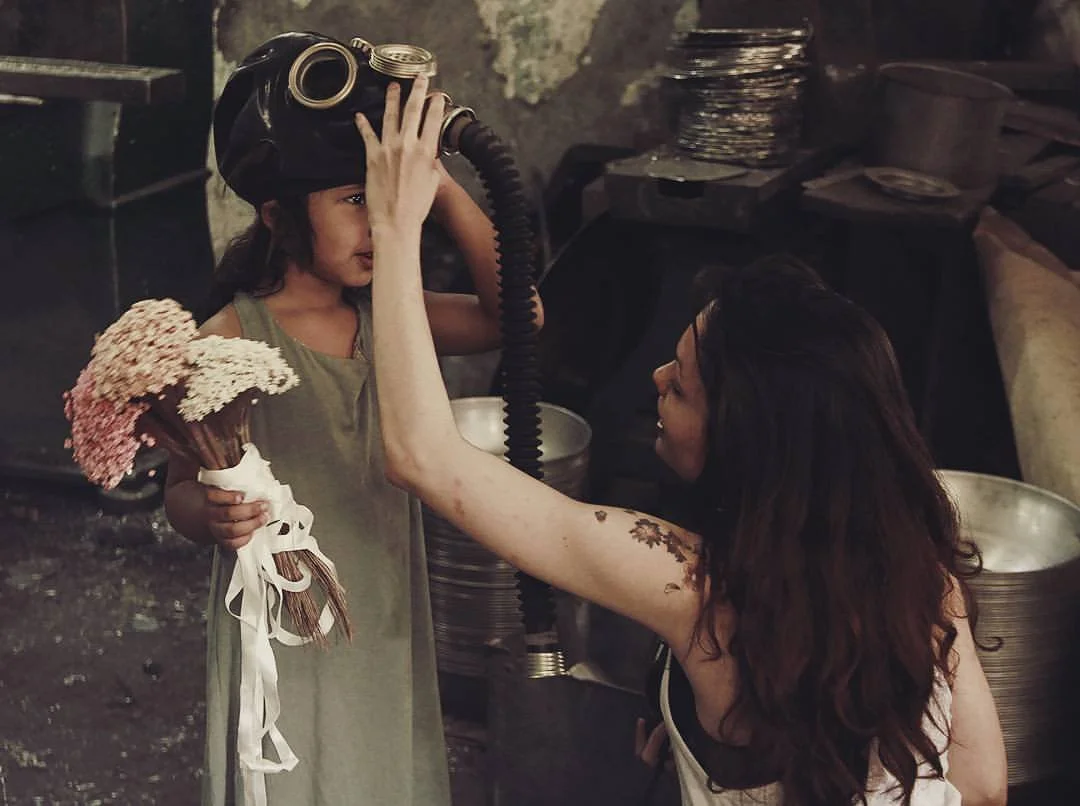
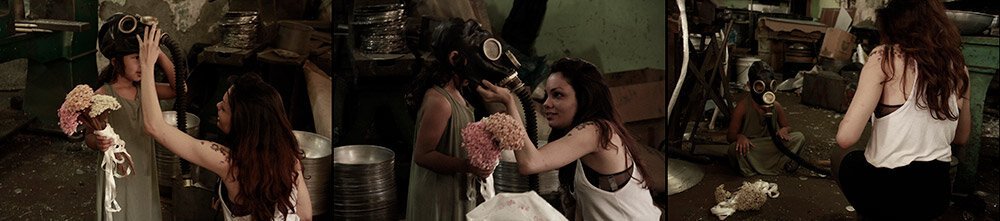
When I was 23, I decided to transform this haunting image into a staged photograph. After finding the models for the shoot, there was no doubt in my mind that I would give them a happy ending. The turning point came when I created and photographed The Gas Mask Girl (2012). In photographing the girl wearing the gas mask, I borrowed her presence to help me process and purge the emotional weight carried by those visions.
I believe that transforming my vision into an object — in this case, a photograph — enabled me to reprocess my past experience and the pain attached to it. Eloa, the girl who posed for the image, became a mirror of myself: she was about the same age I had been when the visions first began.
03
The Painter
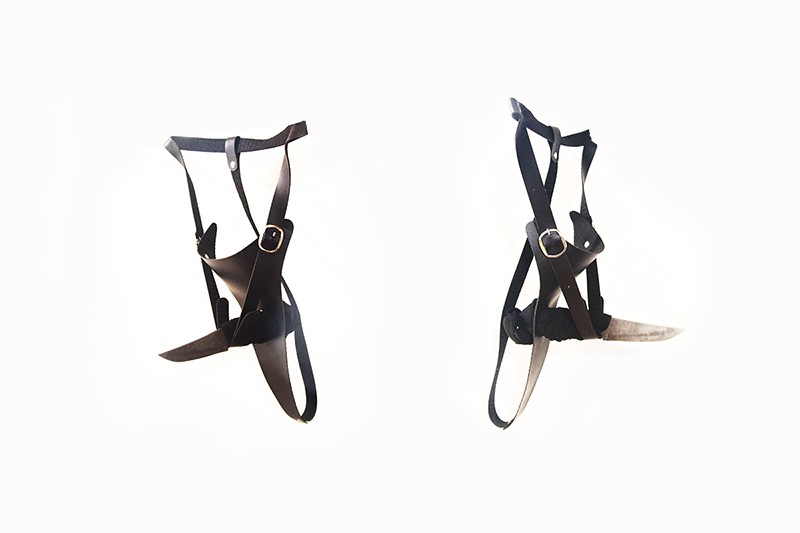
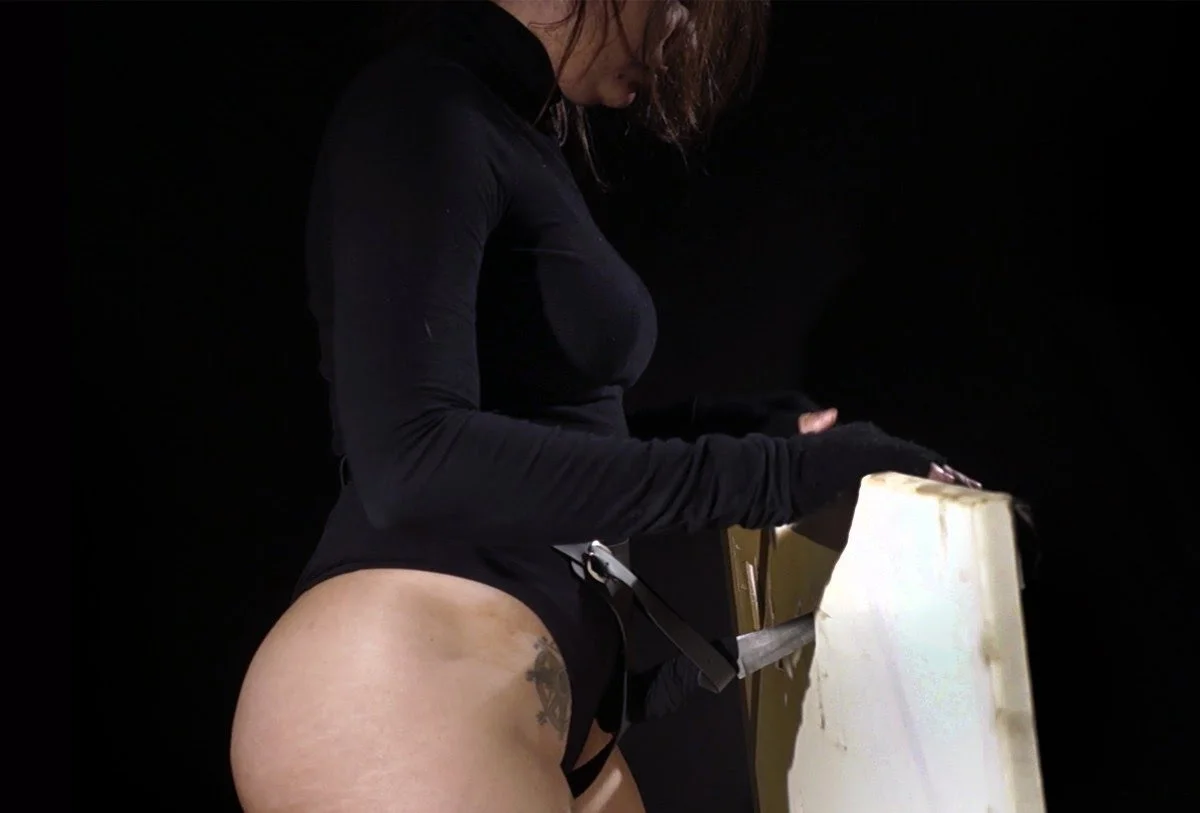
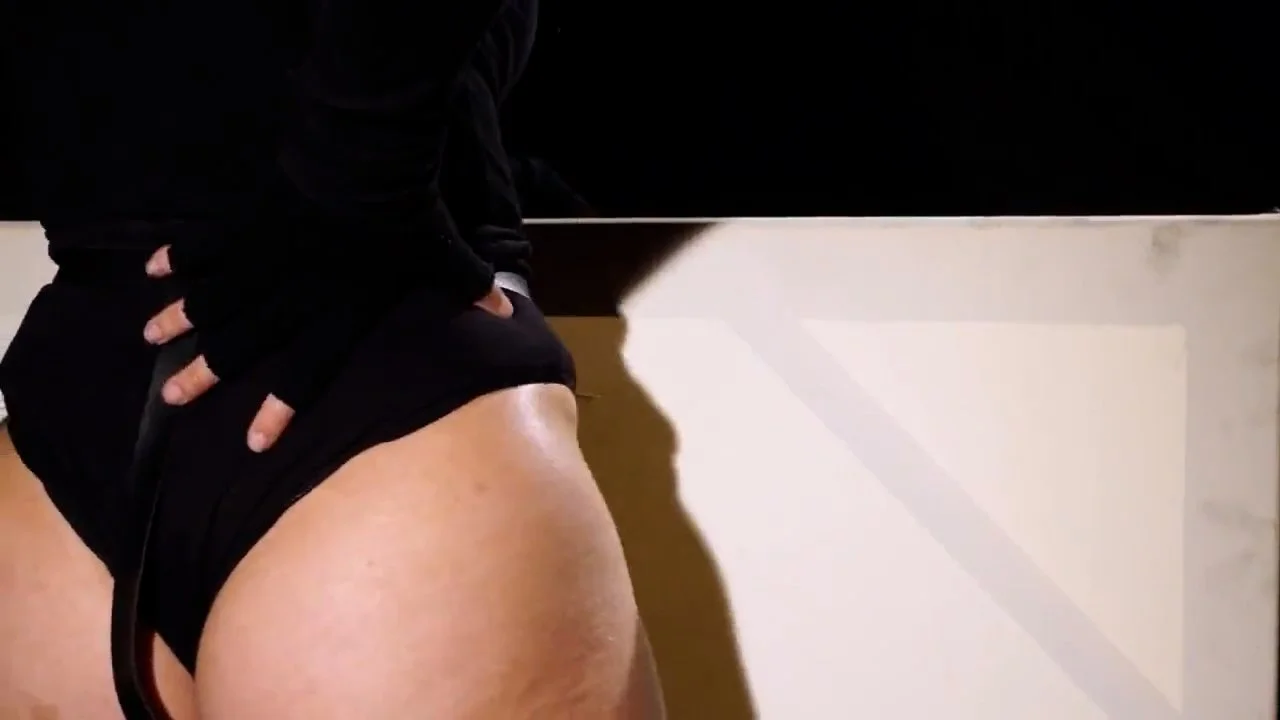
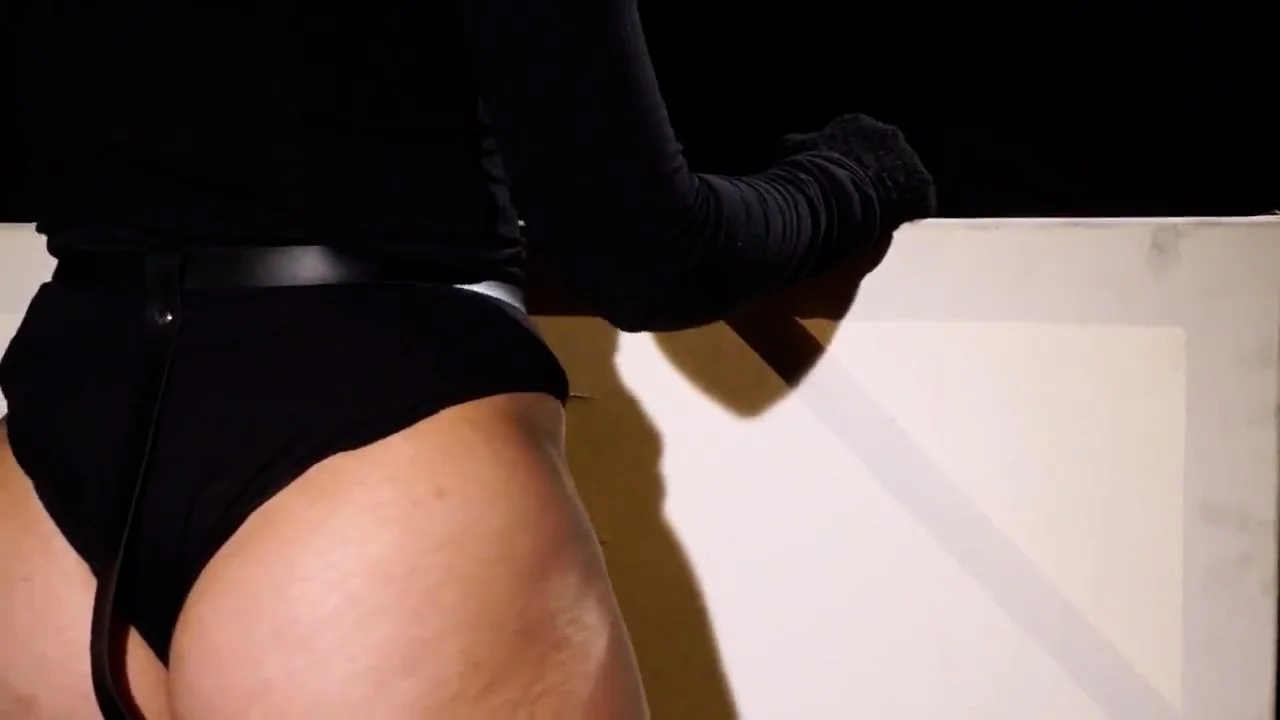
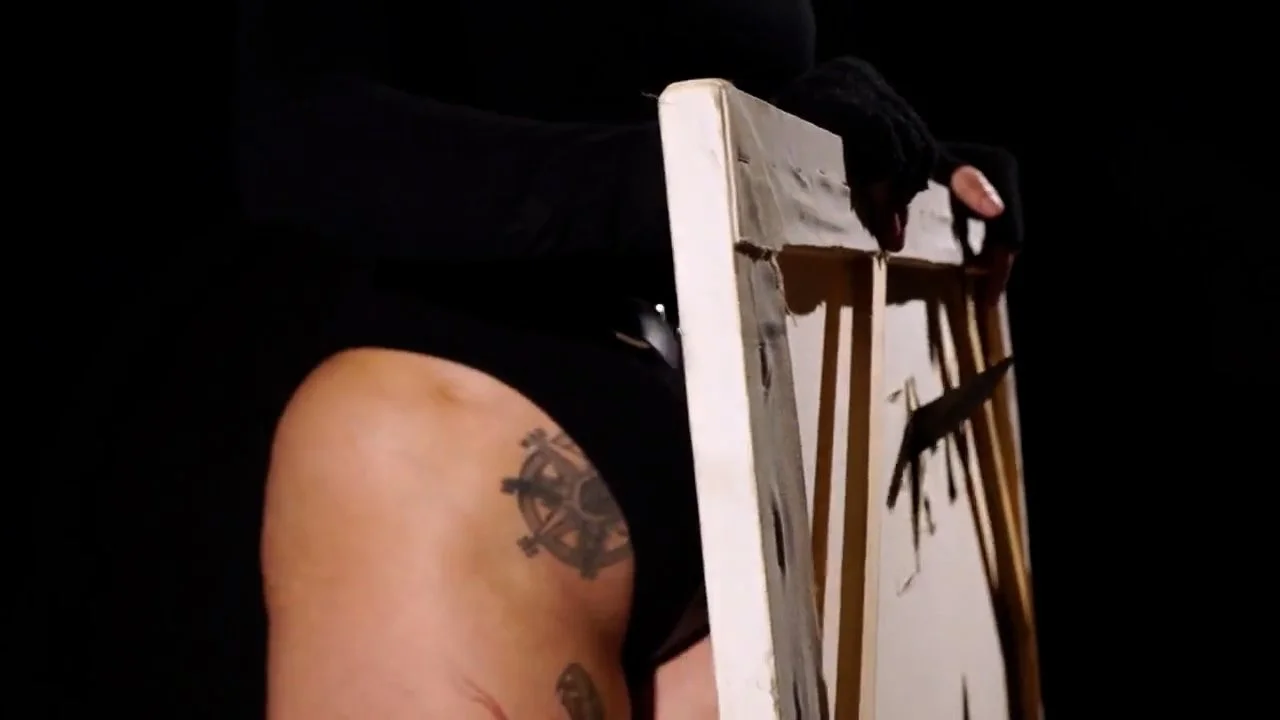
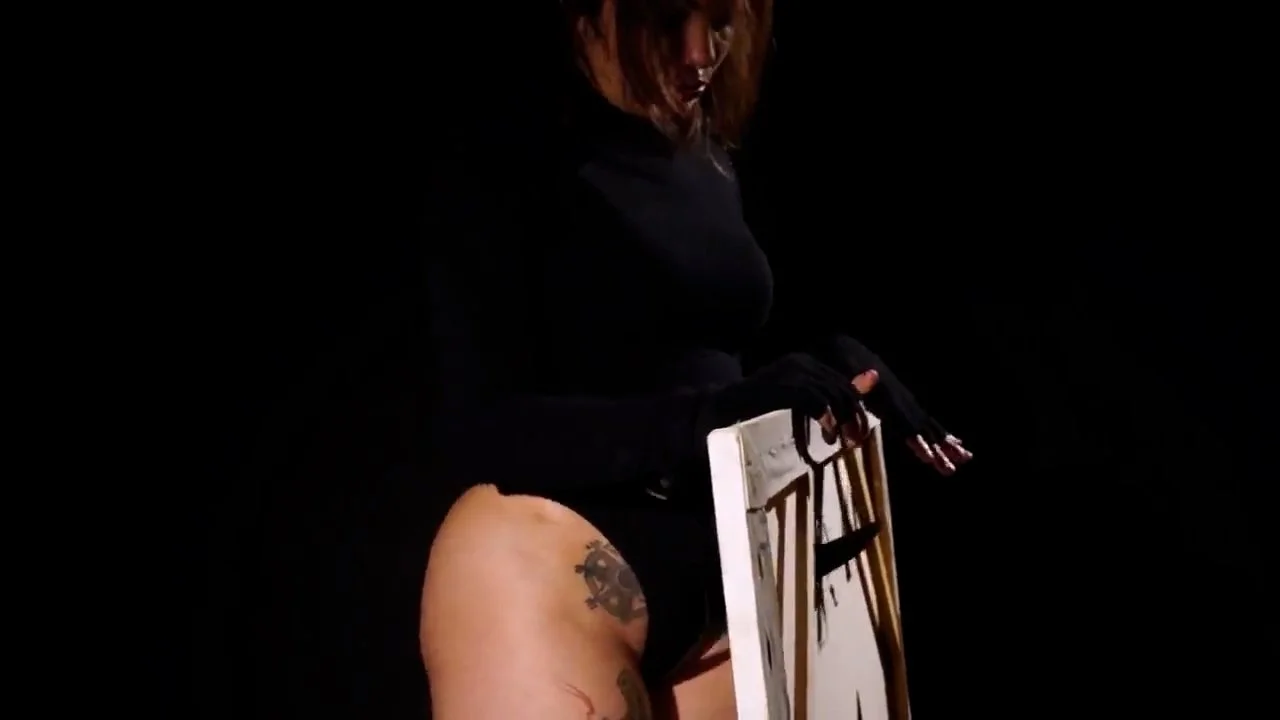
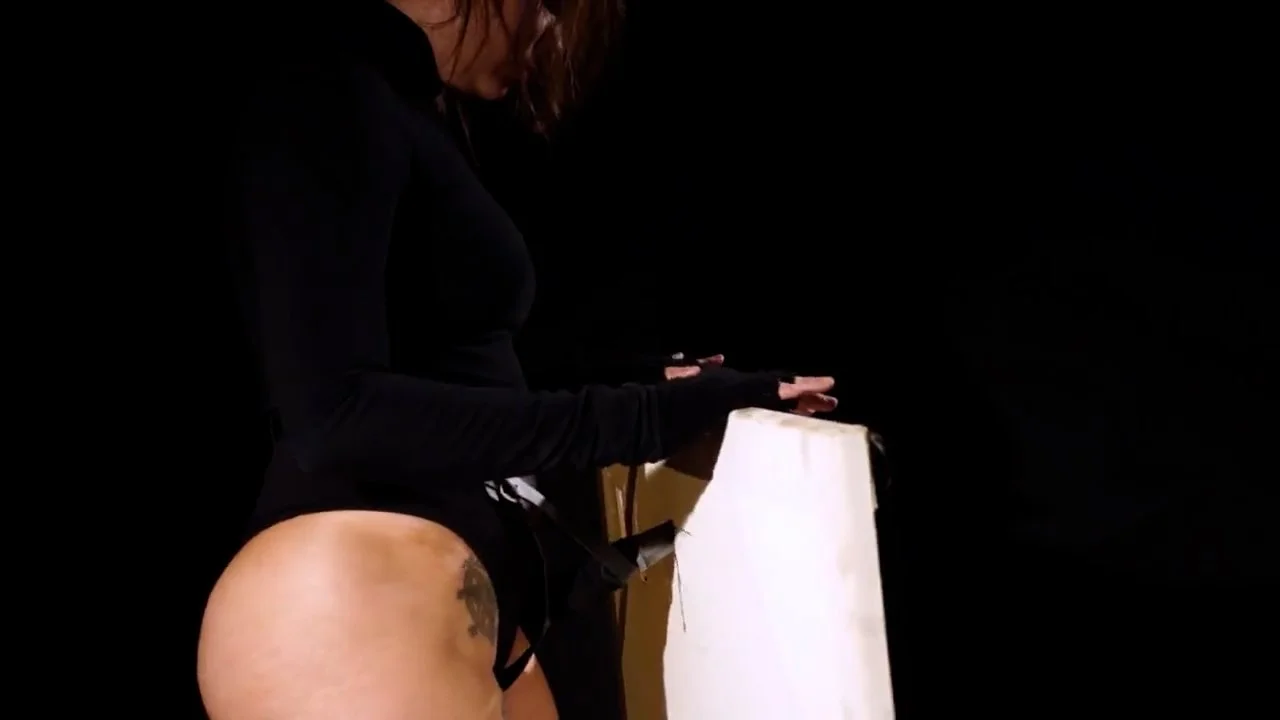
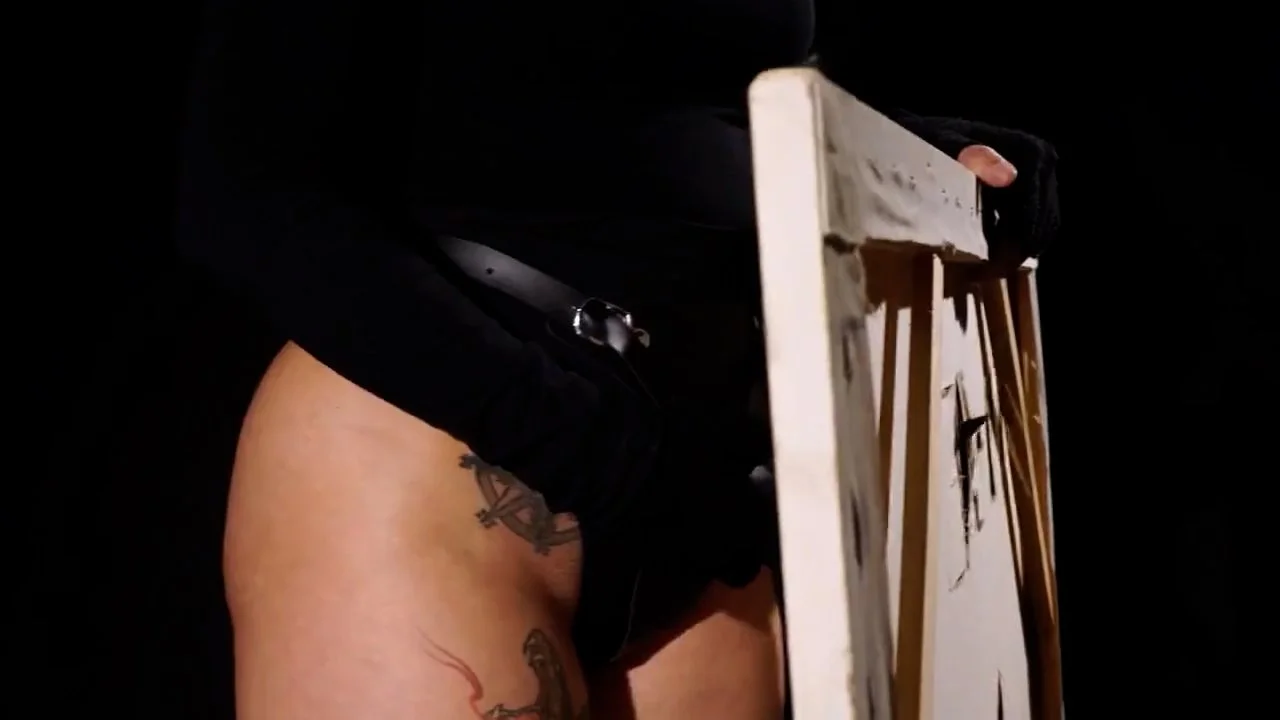
This is the issue of gender in art (art market and history), specifically the predominance of cisgender men. Based, for example, on the work “The advantages of being a female artist” (1988/2017) by Guerrilla Girls, exhibited at MASP in 2017, which addresses the contrast between the small number of female, non-binary, trans, and queer artists and the large number of nude female bodies in museum collections.
In the performance, the constant and repetitive act evokes a sexual act in its phallocentric form, symbolizing the persistent cultural dominance of cisgender men in the art world. The screen represents the feminine, the queer, and the non-binary; its whiteness suggests an attempted erasure of these identities. The act of tearing through the screen becomes a gesture of ongoing violation.
04
Corpo Estranho
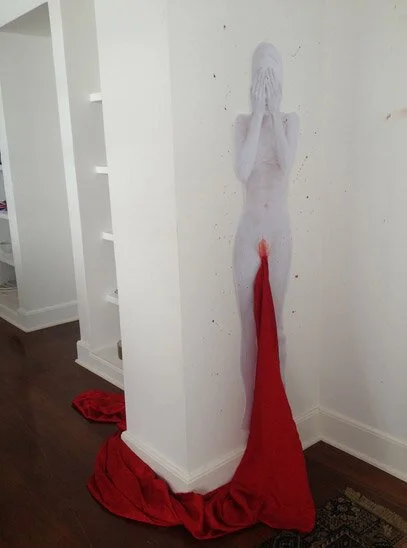
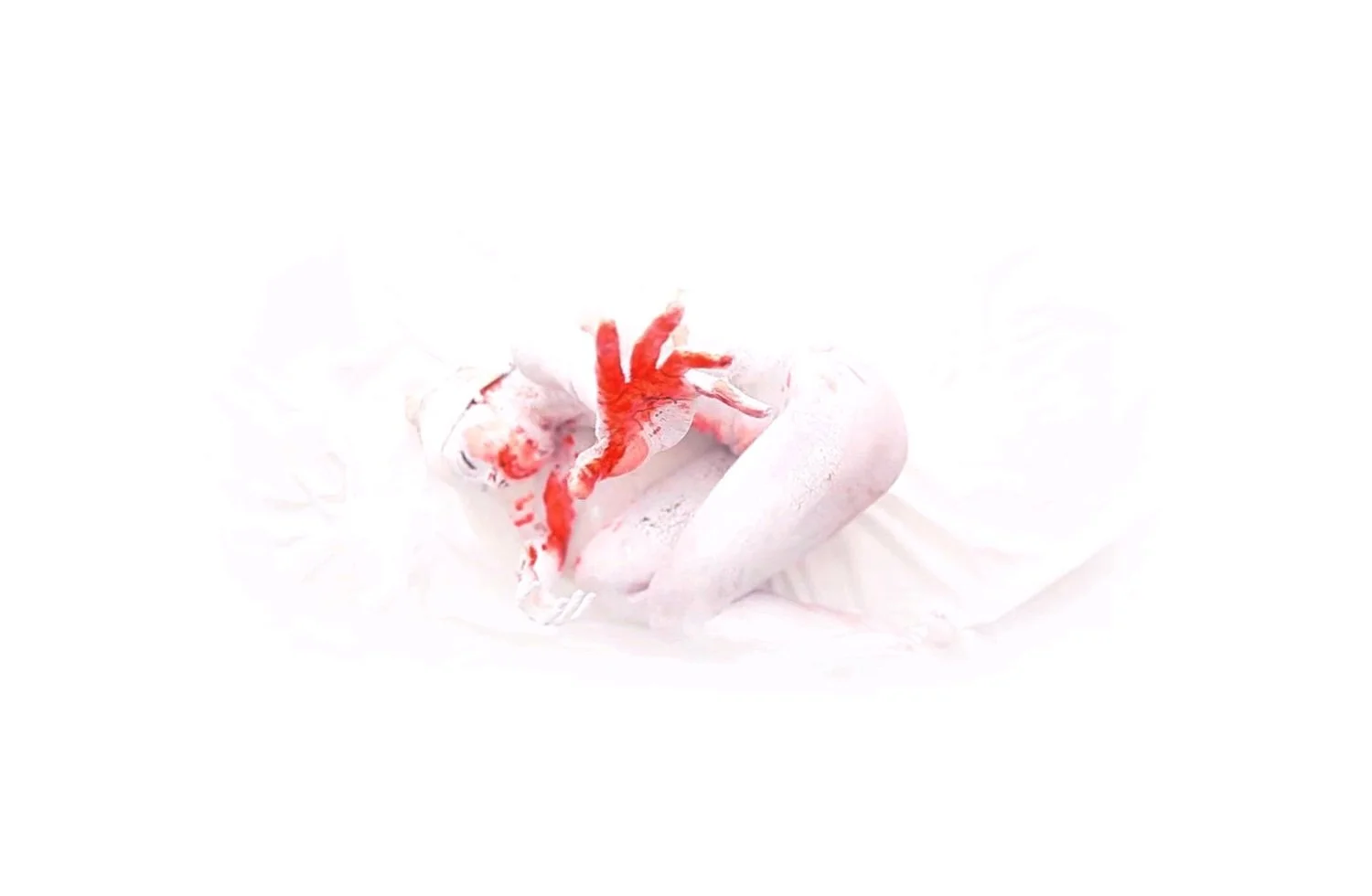
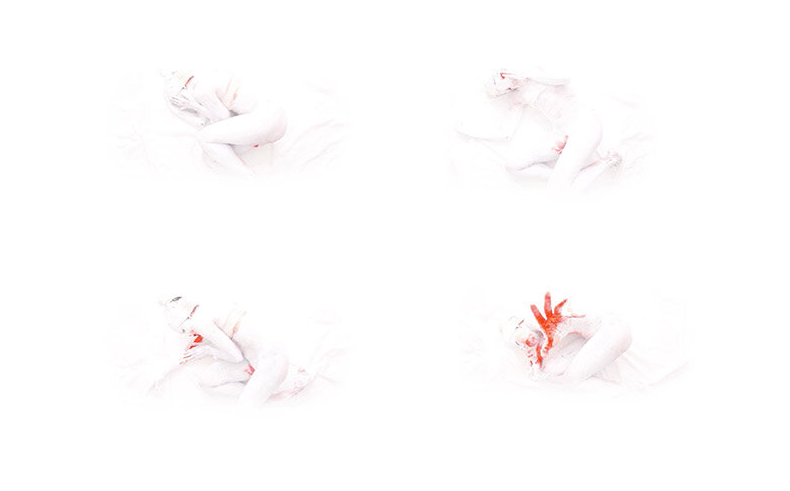
“Corpo Estranho”, in english Weird Body, was a performance made in 2012 about sexuality — specifically sexual abuse — queer theory and the erasure of the body both in the social and cultural spheres, mentioning street walkers and sexual professionals for their personal experience with these two media.
The name “Corpo Estranho” was inspired by the book “A weird body: essays on sexuality and queer theory” by Guacira Lopes Louro.
05
Gula
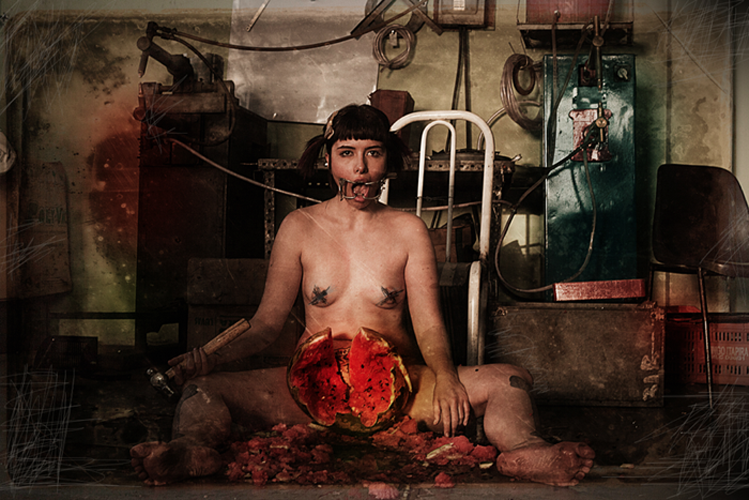
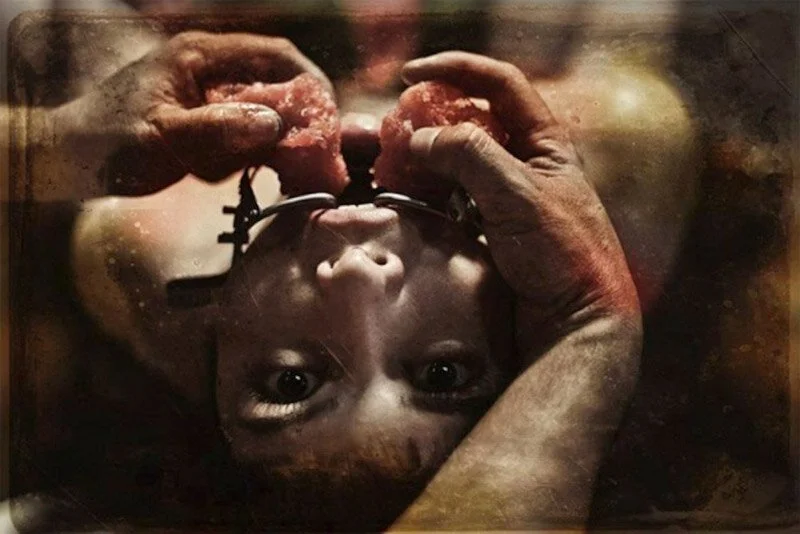
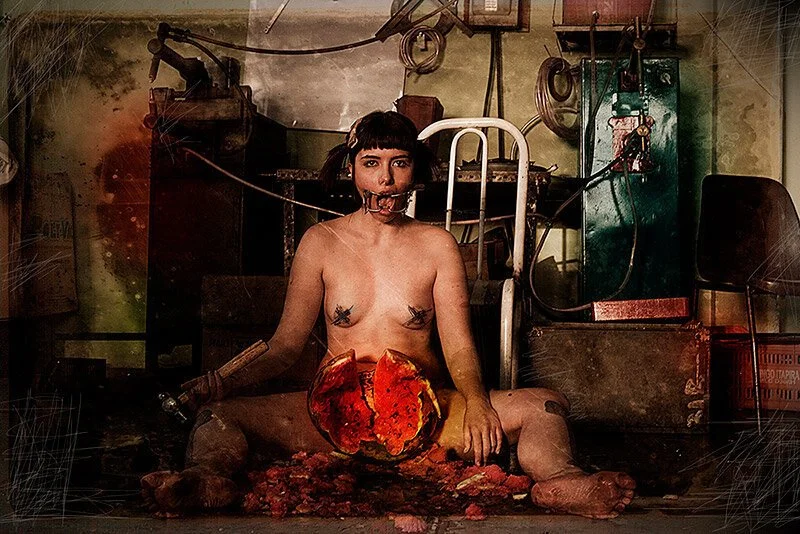
“Gula” talks about the fetishism of commodity, based on Karl Marx's critique of the social and psychological phenomenon in which goods appear to have an independent will of their producers. The BDSM aesthetic alludes to two products (girl and watermelon) and their measures, guiding properties that affect their usefulness and values, and a third object which denominates the social relationship between the whole: hunger.
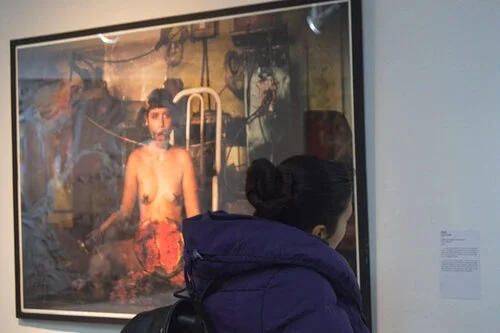
Self-consuming, self-aborting and swallowing the ideologies that the system imposes on us, we develop one of the capital sins, Gula, as we consume something we need while playing a part in a social theater. The photo was inspired by Saudek and the performer is Miss Tibia. Gula participated in exhibitions such as “Trabalhadores do Cú” at Espaço Cultural Maus Hábitos in Portugal (2016) and Scope Art Fair in Miami (2014), and is part of the permanent collection of the Museum of Contemporary Art in Bogotá.