
Intro
/ 01 — 2021
Performance, object & video art
Discourses of Necropolitics
Performance · object · video art
How death, disposability and systemic violence are normalized, aestheticized and operationalized in contemporary society.
© 2021

Statement
Discourses of Necropolitics investigates the mechanisms through which death, disposability, and systemic violence are normalized, aestheticized, and operationalized in contemporary society.
Drawing from Achille Mbembe's concept of necropolitics, the project examines how states, institutions, and media construct narratives that determine which lives are grievable, visible, or valuable.
01
Carimbe Aqui Seu Passaporte
02
We The People
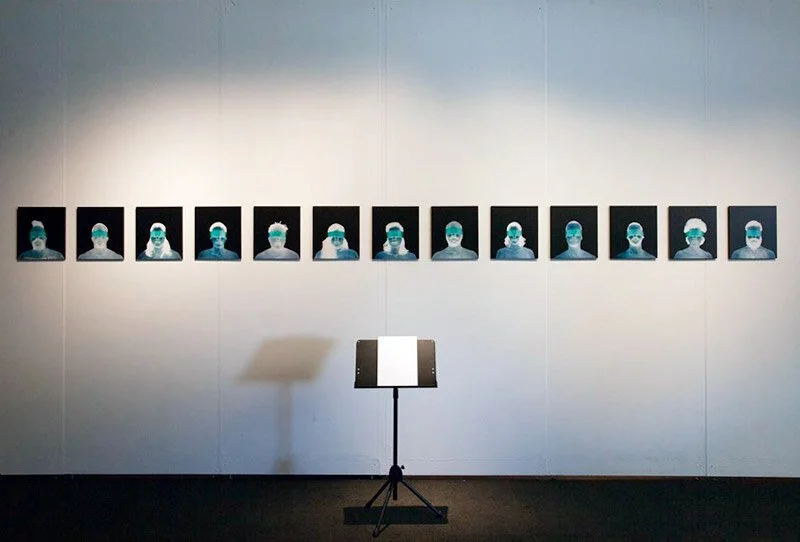
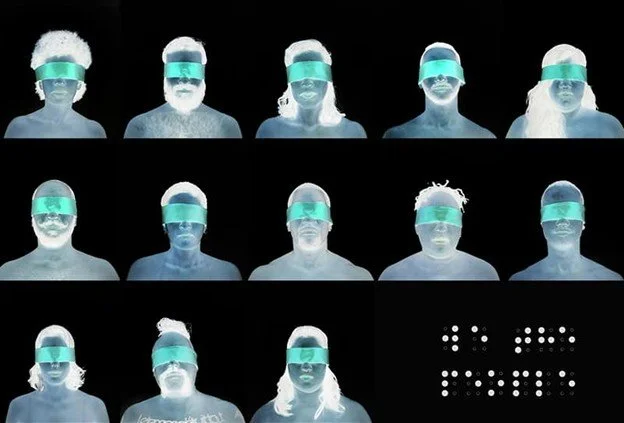
Reproductions in larger formats of biometric photographs, rehearsing the notion of identification even in the face of democratic erosion. The search for identity originates in a space of biopolitical crisis and is a direct consequence of colonization.
The 13 portrayed individuals — Indigenous, African-American, and Latinx — represent the 13 stripes of the American flag, or the original 13 colonies. The “afterimage” effect suggests not only a revelation of the images themselves but also a space for reflection: when the viewer stares at the negative image for 30 seconds, the eyes attempt to continue the image on a blank surface.
The negative view in which the works are displayed may represent the perception of the privileged — those who believe that “we are all equal” under the law, the constitution, and history. But we are not. Blood was spilled for these red stripes so that something could be built. Our blood. “We the people.”


03
Resistencia
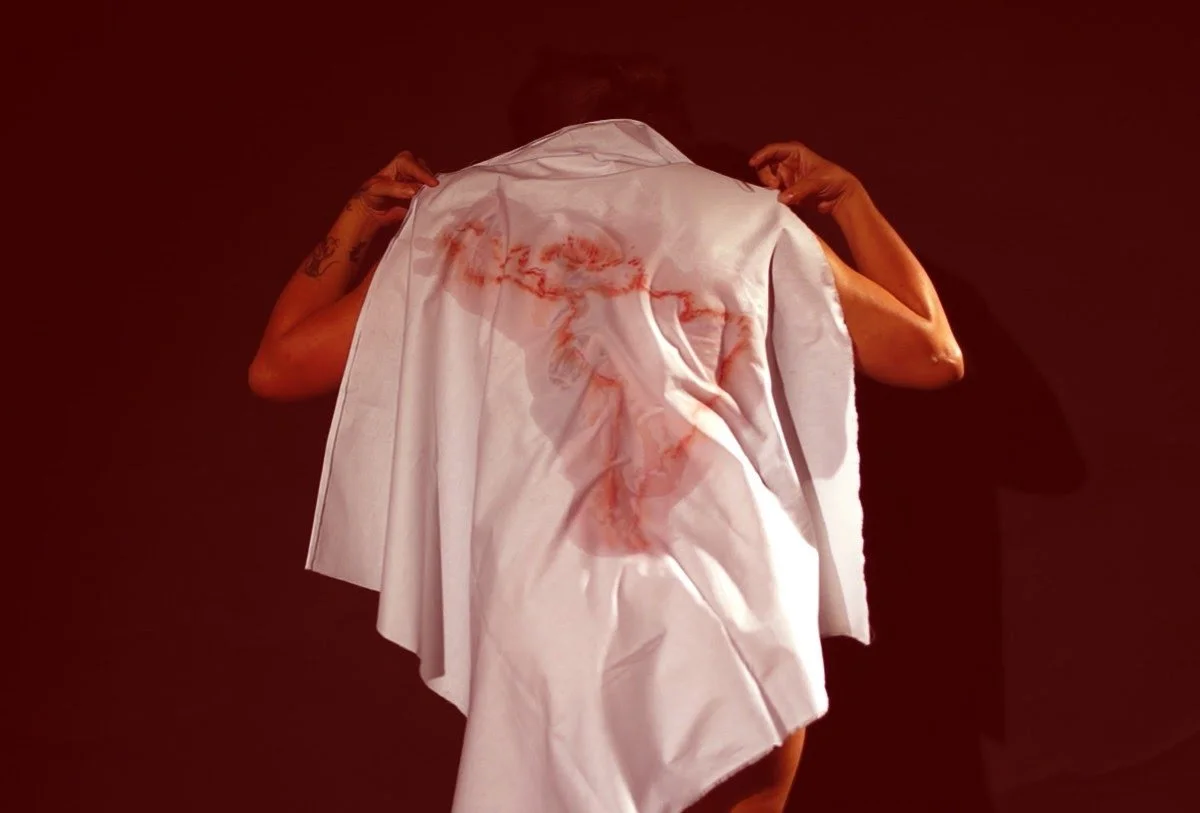
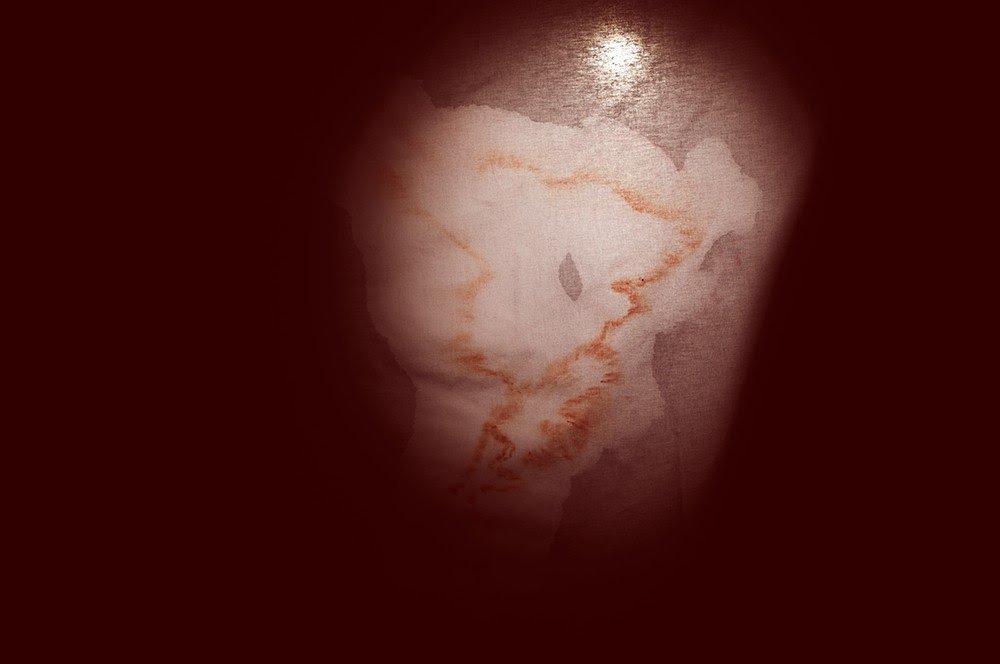
The tattoo was made on the central axis, purposely to cause tension in the spine and the peripheral nervous system. Classified as an extension of the central nervous system, the spinal cord begins in the lower part of the brainstem and terminates in the lower dorsal part, forming the medullary cone.
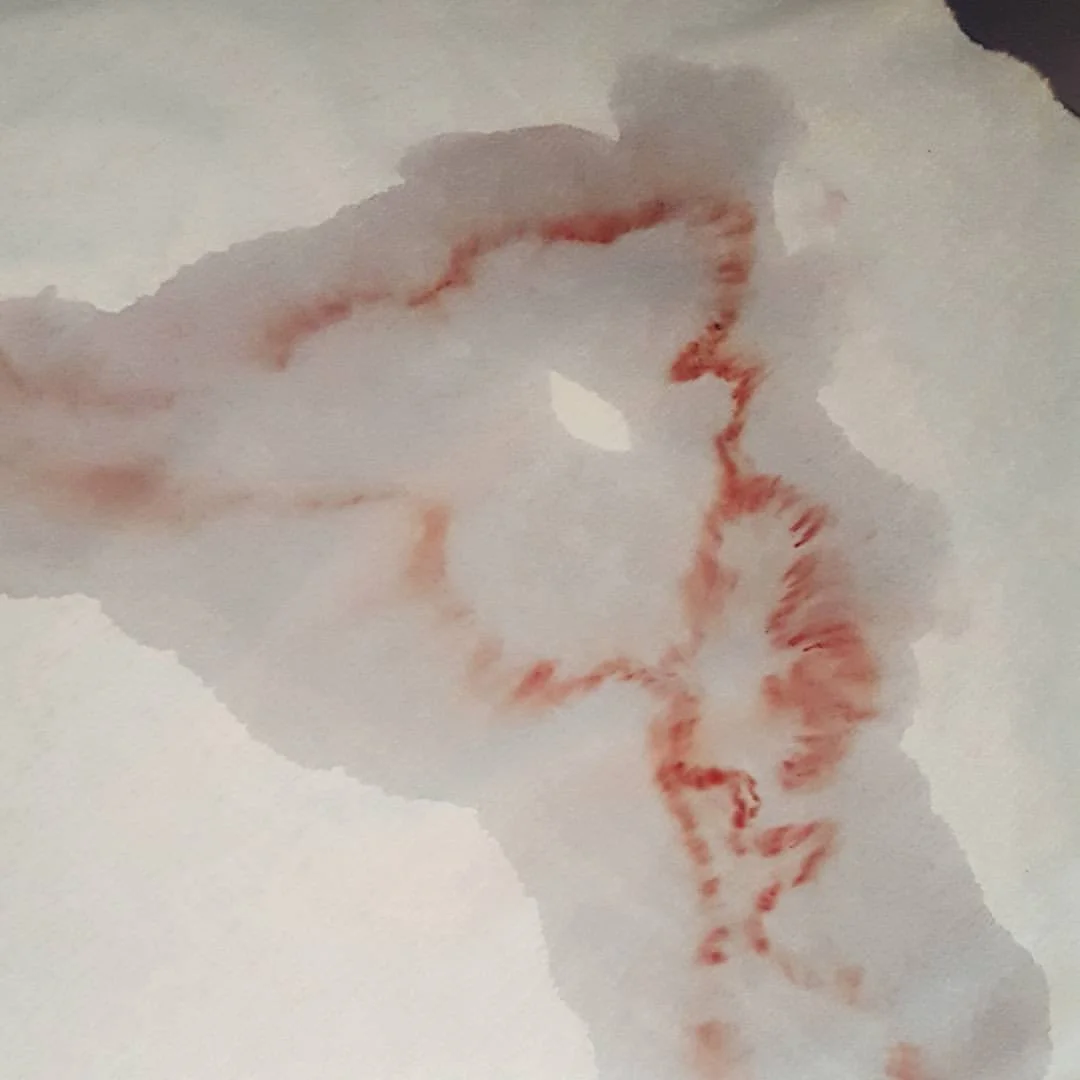
The tattoo, done in this region, causes involuntary movements and pain in other parts of the body where the tattoo is not being done, in addition to dizziness and headaches. The intention is that in every action the tattoo be done within the stroke, until one day this whole map is painted red.
The countries of Latin America walk together, strain together, and the red symbolizes blood but also revolution — after the tattoo, the blood is staked in a white fabric, like a flag.





04
Castração
A performance that faces the State as an apparatus of control: bureaucratic, surgical and domestic instruments where the flag becomes both fabric and restraint.
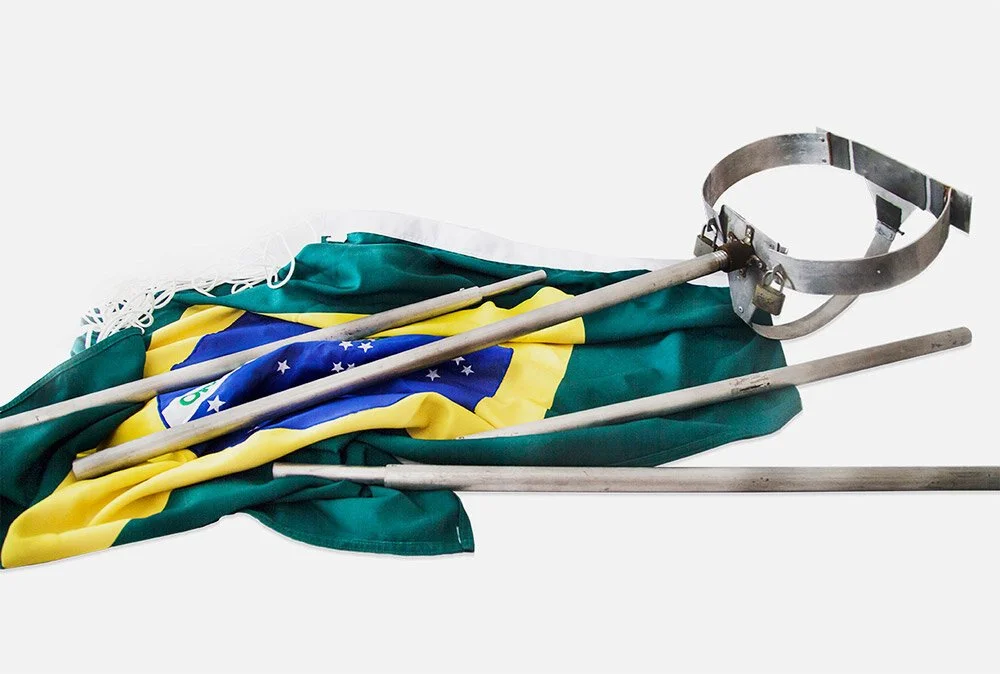
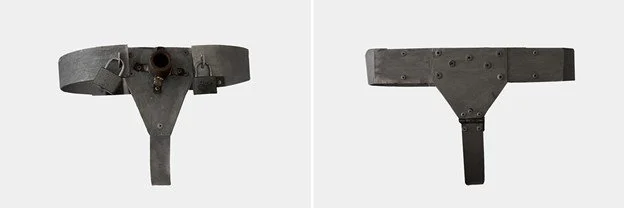
An object that faces the State as an apparatus of castration, continuing the investigation of bodily autonomy under institutional interference.
Legislation, morality and religious fetishism define what a body may or may not do with itself; the installation displays the instruments of that definition.
05
E, daí?
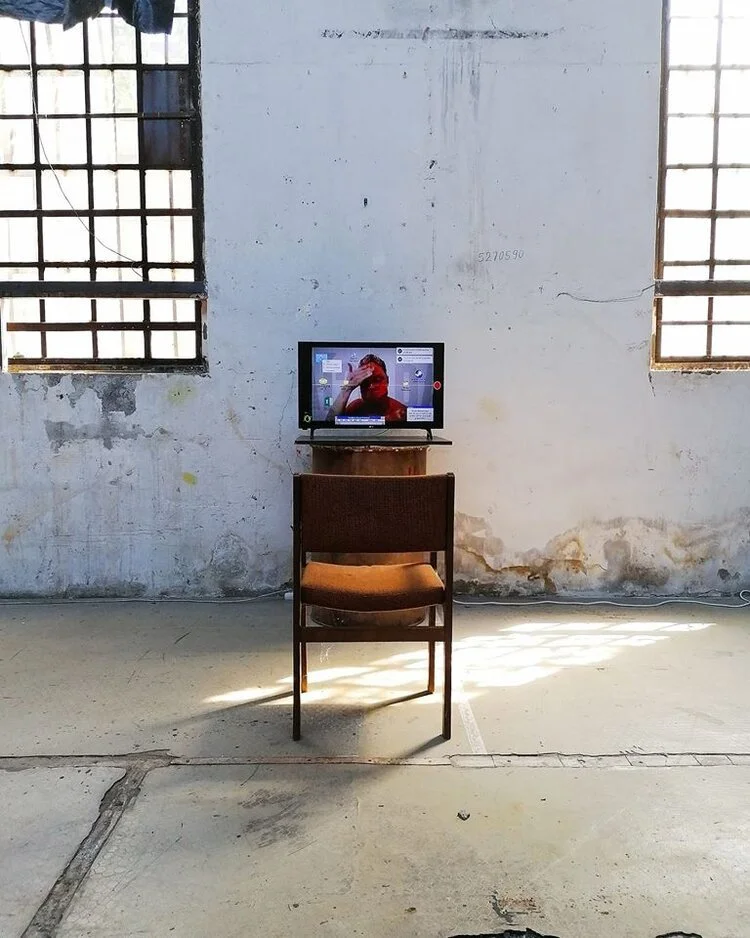
Brazil has been experiencing a political crisis for a long time, which intensified with the Covid-19 pandemic. In January 2019, Jair Messias Bolsonaro was elected, and since then it has been a controversial government that flirts with fascism and necropolitics.
The lack of structure and assistance to the most needy — including Indigenous people and people living in remote and peripheral areas — became more urgent in times of pandemic, alongside precarious health conditions and an economic crisis running since 2014.
The name of the performance “E daí?” refers to an interview Bolsonaro gave on Tuesday, April 28, when asked by a journalist about the deaths in Brazil, which at the time totalled 5,017: “So what? I'm sorry. What do you want me to do? I am Messiah, but I don't do miracles.”
06
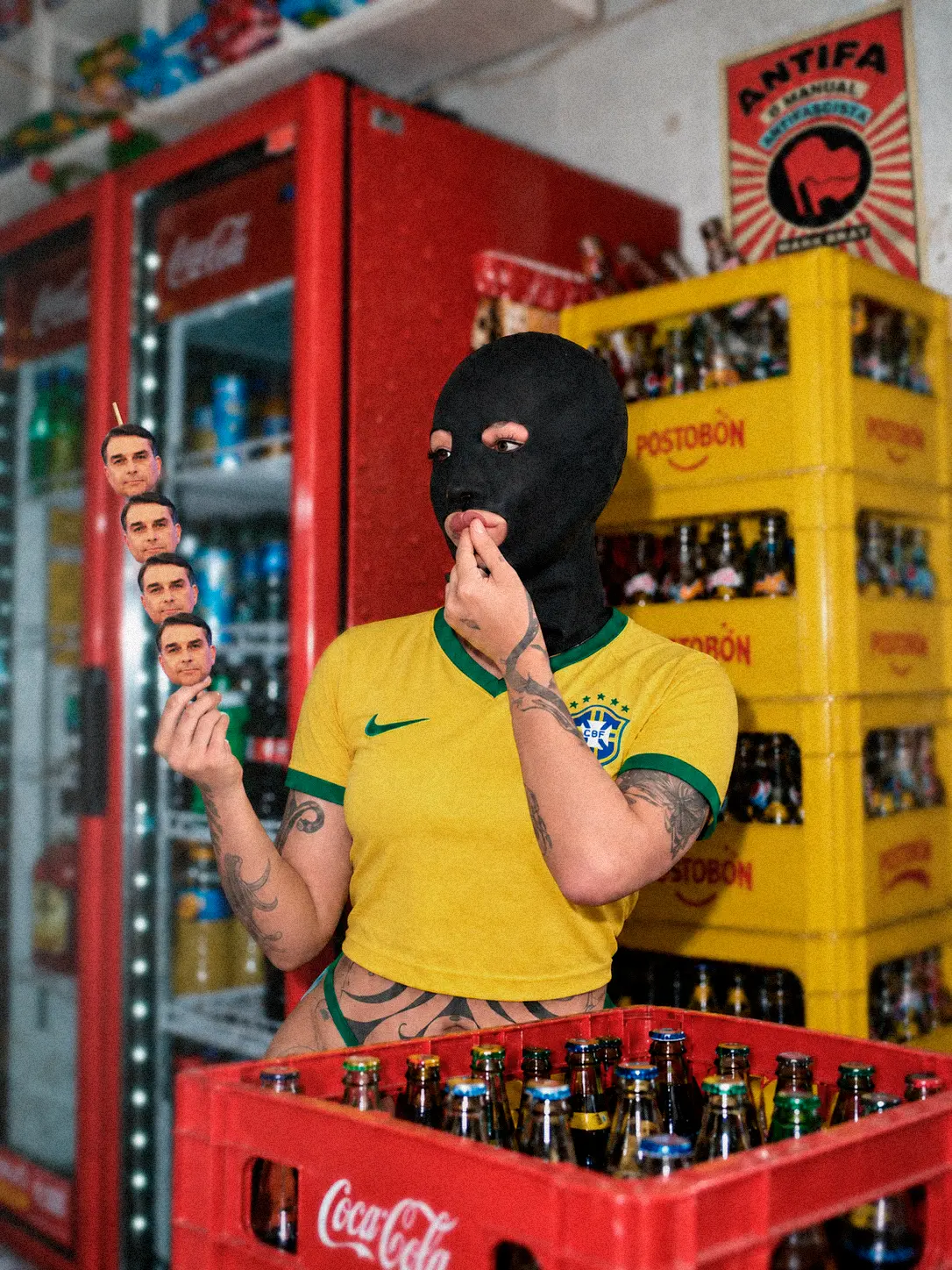
Fetish 2 (Scatology)
07
Everyone Wants to Be America
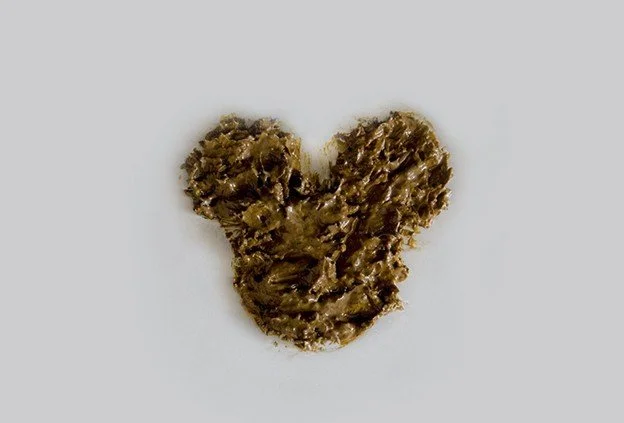
This work presents a piece of feces molded into the silhouette of a globally recognizable cartoon figure. The familiar form, associated with the global reach of American cultural imagery, appears here through a material typically rejected and abject.
The work draws inspiration from Merda d'artista by Piero Manzoni, where human excrement was transformed into a commodity within the art market. Here, the gesture is redirected toward a critique of cultural and institutional dependency — the persistent tendency of Brazil and other Latin American countries to seek validation through imitation of the United States.
The piece exposes a double contradiction: the desire to emulate cultural power, and the transformation of political art into another consumable product within the global art market.
08
Brazilian Rudimentary Politics
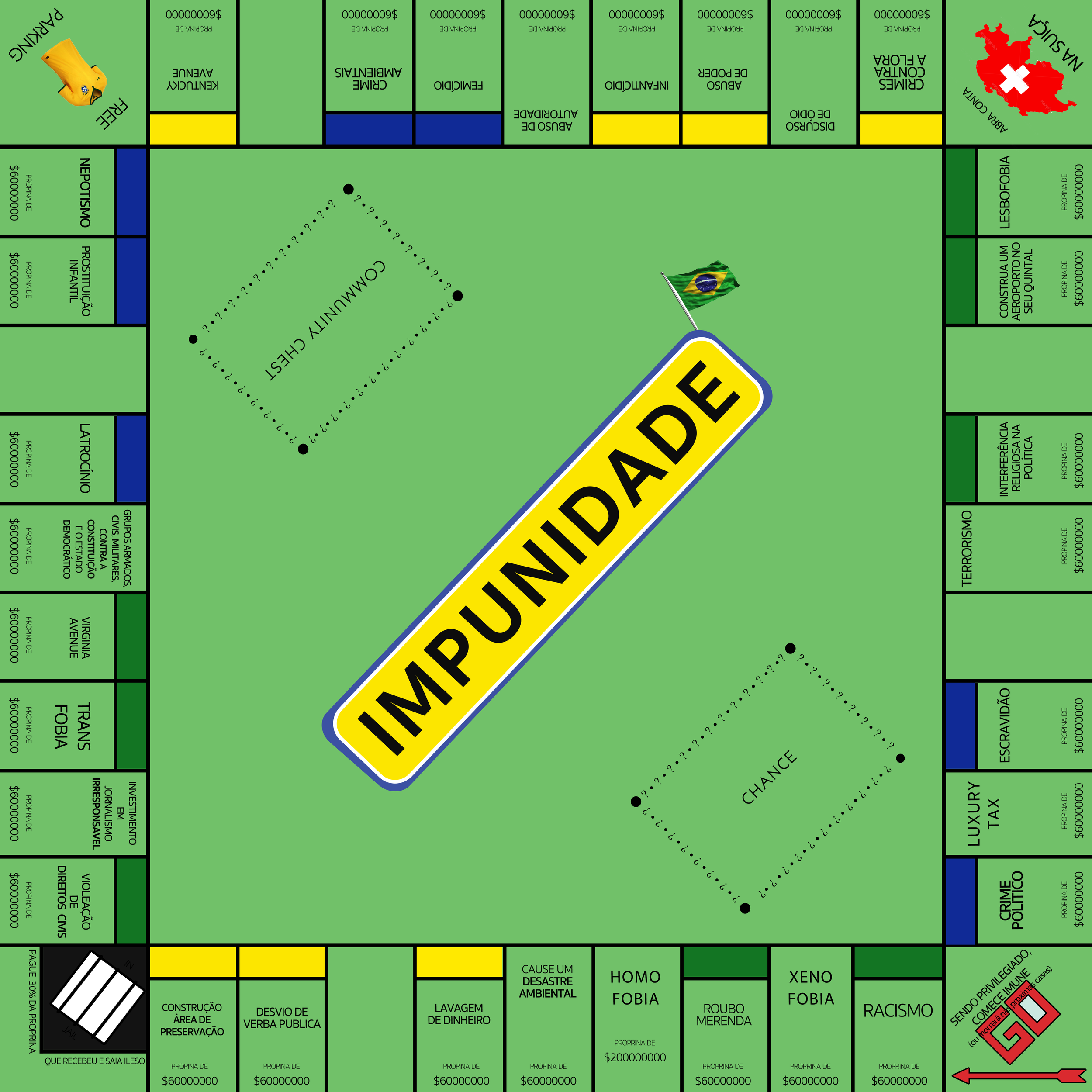
This work assembles a set of objects associated with play: a board game titled Impunidade, a word search puzzle, a small fascist figurine, and a coloring book depicting Brazilian fauna and flora. The board game, modeled after real-estate strategy games, replaces property accumulation with references to political scandals.
The installation comments on the cyclical nature of impunity within Brazil's political landscape: scandals appear, circulate, and dissolve without consequence, turning political crisis into a repetitive sequence of moves.
The coloring book of Brazilian fauna and flora is presented without colored pencils. The images remain as empty outlines, suggesting a landscape that has been progressively exploited and depleted.




09
The Body State

This project satirizes and takes to absurdism the State's interference in our autonomy over our bodies and sexuality. Body donation for necrophilia is used as a posthumous performance; in this narrative the necrophile is the State.
It touches on necrocitizenship, religion, necropolitics and body donation — Law No. 9,434, art. 4, states that organ donation depends on family scrutiny, independent of individual will and autonomy. In Brazil, the freedom of bodies is constantly restricted by deep-rooted morality, and the silence about mortality is reflected in legislation.
The work metaphorizes the State in the figure of the necrophile: a perverse figure restricting the freedom of bodies, dead or alive. After all, who is the necrophile?
10
Indi-gestão

In this performance, the artist ingests her own voter registration card. The act transforms a bureaucratic document into organic matter, shifting it from the domain of institutional identity to that of the body.
The title Indi-gestão operates as a double meaning in Portuguese, evoking both “indigestion” and a fractured notion of management or governance.
By eating the document that certifies civic participation, the performance collapses the distance between political identity and physical existence — a political system that is difficult to digest.